
September 5, 2026
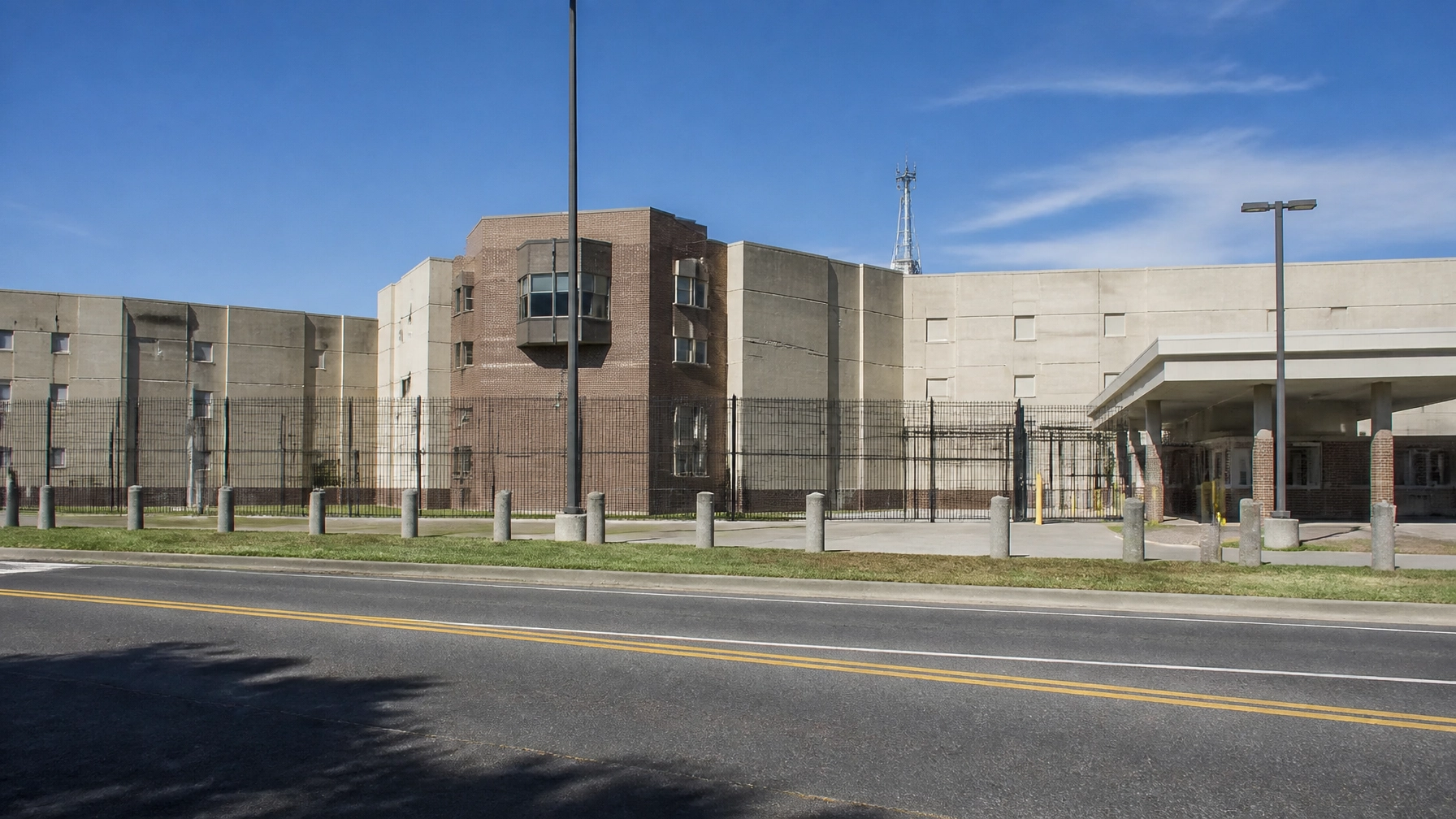
CHARLOTTE, N.C. : Mecklenburg County commissioners have approved a $3.2 million funding shift to begin reopening the North Detention Center, commonly called Jail North, as the county’s main jail in Uptown remains roughly 400 people over its intended capacity.
The first phase is expected to house approximately 150 to 200 adult detainees. The sheriff’s office has not released an exact opening date, citing security concerns.
The reopening is an immediate response to a jail population that Sheriff Garry McFadden says has grown by about 700 people since January. But the decision also raises a broader question for Mecklenburg County: whether reopening an underused facility addresses the causes of overcrowding or primarily expands the county’s capacity to hold people awaiting court proceedings.
A second facility for an overcrowded system
Jail Central, the county’s main detention facility in Uptown, was designed to hold about 1,791 people. It has exceeded 2,200, according to reporting by WBTV and Axios.
McFadden told WBTV/Axios that people in common areas are sleeping on cots, with approximately 25 to 30 people in some rooms. More than 80 people are sharing roughly six showers, according to the report. Two people also died in custody in August, adding to scrutiny of medical care, supervision and safety inside the facility.
The $3.2 million approved by commissioners will fund the first phase of Jail North’s reopening. The initial transfer is expected to reduce pressure at Jail Central, but it will not eliminate the overcrowding. McFadden said roughly 200 people could remain sleeping in overflow areas even after the first group is moved.
The people initially selected for transfer are detainees participating in programs who show the fewest behavioral issues, according to McFadden. The approach is intended to allow the sheriff’s office to begin using the reopened facility while limiting the immediate operational risks of moving people with more significant disciplinary or medical needs.

Why the jail population increased
McFadden has attributed much of the population growth to provisions of Iryna’s Law, which limited cashless bail for certain violent and repeat offenders.
The law has made it more difficult for some people accused of crimes to secure release before trial. As a result, more people remain in county custody while their cases move through the court system. McFadden has said the legislation came without additional funding for the increased detention, medical and staffing demands.
The sheriff says approximately 80 additional positions are needed to staff the detention centers appropriately. That figure reflects the basic challenge facing the county: adding beds does not automatically add the staff required to supervise, transport, provide medical care for and manage the people held in those beds.
McFadden has also pointed to court delays and other parts of the criminal legal system that keep people in custody longer. The county’s response therefore involves more than a building decision. It includes questions about pretrial detention, bail policy, mental-health services, case processing and the movement of people who have been sentenced to state custody.
A facility with a troubled history
Jail North previously operated as a juvenile detention facility. It was largely closed in 2022 after state inspectors cited critically low staffing and warned of an imminent threat to the safety of inmates and staff, according to prior reporting cited by WBTV.
McFadden later ended the county’s agreement to house juveniles at the facility and moved staff to the Uptown jail. The decision left Jail North largely unused while county and state officials continued debating the future of juvenile detention services.
The current reopening is different from proposals to restore Jail North as a dedicated juvenile facility. The $3.2 million plan is focused on adult detainees and is intended to provide short-term relief for Jail Central.
WFAE reported September 3 that commissioners approved more than $3 million to reopen the center and that the facility, previously used for juveniles, would now house adults. McFadden has separately argued that a full juvenile detention reopening would require substantially more state funding.
What is inside Jail North
The facility was originally designed for juvenile detention, and its layout reflects that history. It includes medical and dental rooms, visitation phones, attorney meeting rooms and classroom space.
WBTV/Axios reported that the visitation area includes 14 phones and separate rooms for conversations with attorneys. The facility also has rooms that can be used for GED instruction, entrepreneurship programs, classes and other programming.

Those features distinguish Jail North from a simple overflow site. They also create operational obligations. Medical rooms require qualified providers. Attorney rooms require reliable access for legal representation. Classrooms require staff, scheduling and programming. The existence of space does not guarantee that those services will be consistently available once the facility is operating under pressure.
The sheriff’s office has said the building has been prepared for the initial reopening. WBTV/Axios reported that medical supplies were stocked, the control room was ready and the facility had undergone cleaning and preparation. The first phase will use only part of the center’s potential capacity.

The staffing question remains
The reopening depends on staff drawn from a system that is already operating under strain.
McFadden has described the move as necessary because Jail Central has reached its limit. At the same time, he has said the department needs roughly 80 more positions to staff the centers appropriately. That tension will remain after the first detainees are transferred.
If staff are moved from Jail Central to Jail North, conditions at the Uptown facility could improve because of the additional physical space. But the county would still need enough personnel to supervise both locations. If staffing does not keep pace with the expanded footprint, the county could trade one overcrowding problem for a broader staffing problem across two facilities.
The history of Jail North makes that concern difficult to separate from the current decision. The building was previously taken out of service amid serious staffing warnings. Reopening it without a durable staffing plan would leave county officials responsible for explaining how the conditions that led to its closure have changed.
Relief or expanded detention capacity?
Reopening Jail North will create more room. It may reduce the number of people sleeping on cots in common areas and allow the sheriff’s office to separate detainees more effectively. Those are immediate operational benefits.
But the facility will not resolve the policy choices that produced the population surge. Iryna’s Law changed the terms of pretrial release for certain people. The county is now managing the resulting demand for beds, staff and services. Whether that demand should be met primarily through additional detention space is a question for commissioners, the sheriff, judges, prosecutors, defense attorneys and state lawmakers.
The county must also account for people who remain in custody because of mental-health needs, a lack of treatment options, court case delays or other unresolved barriers. Jail North can hold more people, but it cannot by itself provide a substitute for community-based behavioral-health care or faster court processing.
The August custody deaths make the oversight question more urgent. The causes and circumstances of those deaths must be examined independently, while the county addresses the conditions reported at Jail Central. Overcrowding, limited medical access, staff shortages and extended pretrial detention are separate issues, but they operate inside the same system.
The first transfer to Jail North will show whether the additional space provides measurable relief. The longer-term test will be whether Mecklenburg County funds the staff and services required to operate both centers safely: and whether officials address why so many people remain detained in the first place.
Sources
This article is based primarily on WFAE’s September 3, 2026 report and WBTV/Axios reporting published September 4, 2026. Additional context is available through The Metro Record Charlotte.