

By Drew Keaton
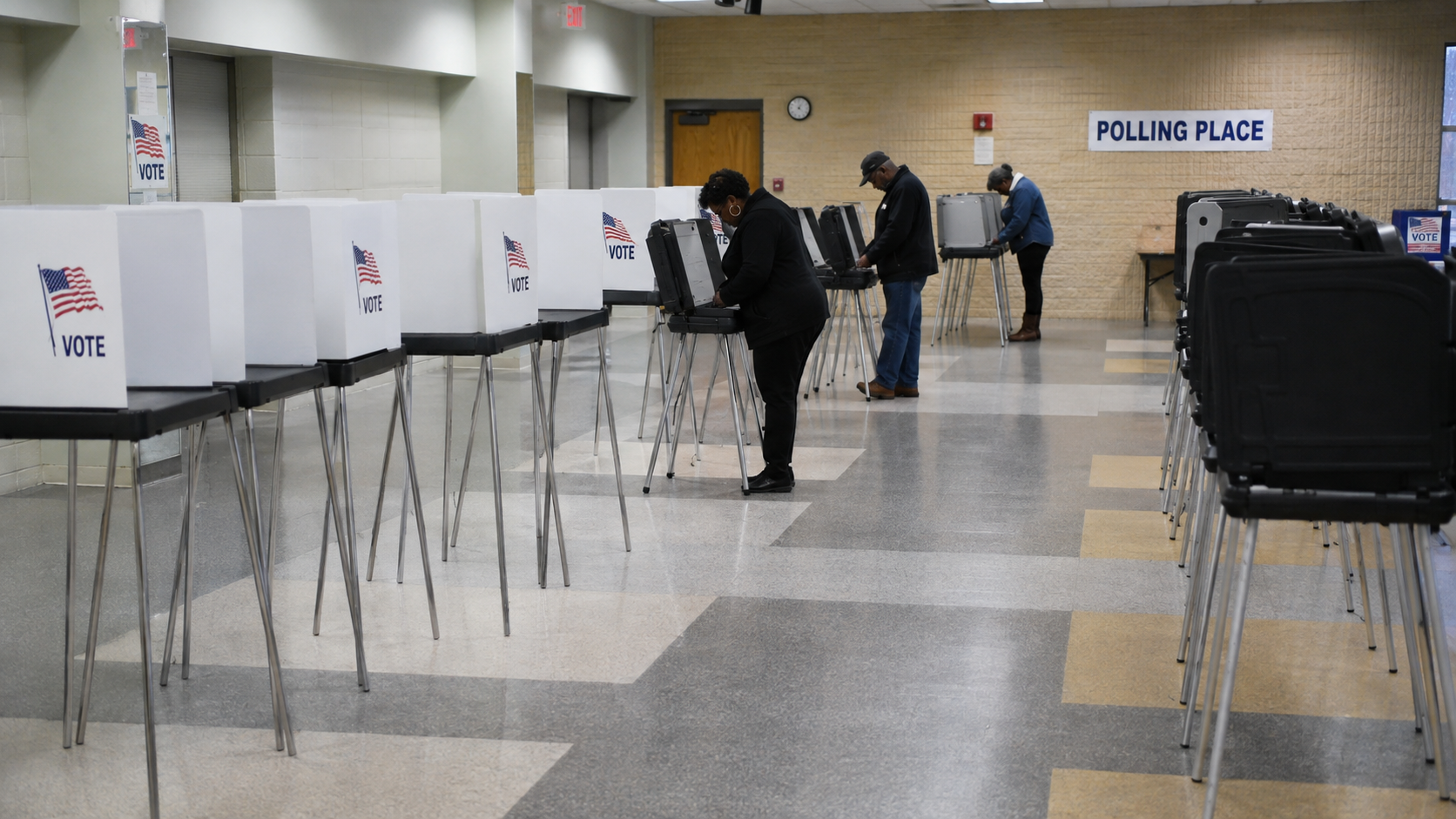
 Low voter turnout should not be examined only as a political problem. It may also be a warning sign that a community is experiencing deep discouragement, disconnection, and hopelessness.
That does not mean failing to vote is a mental health diagnosis. People choose not to vote for many reasons, including work schedules, transportation problems, caregiving responsibilities, distrust of candidates, registration barriers, or a lack of information. But when large numbers of people repeatedly say, “Nothing will change,” “Nobody cares about us,” or “My voice doesn’t matter,” we should hear more than political frustration.
We should hear about hopelessness, chronic distrust, social disconnection, and a loss of personal and collective agency, the belief that individuals and communities can influence their own futures.
A healthy community believes tomorrow can be better and that its actions can help make it better. A community that no longer believes it has influence over its future is showing us something deeper than voter apathy.
That concern deserves the attention of mental health professionals, researchers, educators, and community leaders, not just politicians.
Understanding that hopelessness, however, cannot mean accepting surrender.
Not voting can reinforce the very powerlessness people complain about. When people do not participate, politicians may learn they can ignore those communities without electoral consequences. Being ignored then creates even greater hopelessness, and that hopelessness produces more disengagement.
It is a destructive cycle.
The answer is not simply to tell people to vote and move on. Communities must also address the conditions that create despair, including a lack of trust, poor communication, unresponsive leadership, limited access to reliable information and the feeling that public institutions do not listen.
But people must also challenge the behavior that despair can produce.
Organize. Protest. Demand better leadership. Hold public officials accountable.
And vote.
Voting is not the only way to create change, but it remains one of the most important tools citizens have. A community that has lost faith in its own power has a serious problem. Restoring that belief is both a democratic necessity and, perhaps, a community mental health imperative.



1 comment