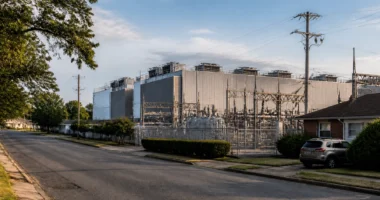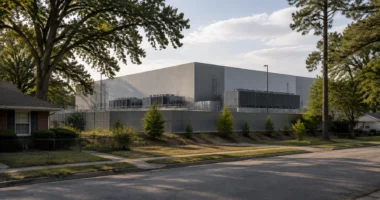


Photo: City of Charlotte
By Metro Record Staff
November 4, 2026
CHARLOTTE: Charlotte City Council voted 10-0 on Oct. 26 to extend the city’s temporary pause on new data center applications through Oct. 18, 2027. The pause may end earlier if the city adopts new data center regulations or policies before then.
The vote gives city staff more time to develop rules for facilities that can place substantial demands on electricity, water and nearby neighborhoods. It does not resolve who will pay for the infrastructure those facilities need, how impacts will be measured or how residents will shape the final standards.
This is the third Metro Record Charlotte story on the city’s data center debate. Our Sept. 19 coverage examined who bears the costs of the city’s next growth boom. Our Oct. 12 follow-up considered what an extension into 2027 should produce. This explainer takes stock of what the council has decided, what the pause covers and what remains unanswered.
1. A moratorium pauses new applications
The moratorium temporarily stops the city from accepting, processing and approving applications for new telecommunications and data storage facilities, the category Charlotte uses for data centers.
It does not shut down existing facilities or halt projects that received approval before the pause began. Construction on previously approved projects can continue. Residents who see work proceeding near their neighborhoods may therefore be seeing activity the moratorium does not cover.
The city’s moratorium FAQ explains the distinction. The pause applies in the City of Charlotte and its extraterritorial jurisdiction, or ETJ.
2. The extension runs through Oct. 18, 2027-unless rules come first
Council adopted the original 150-day moratorium earlier in 2026. It was scheduled to expire no later than Nov. 5.
On Oct. 26, council unanimously extended the pause through Oct. 18, 2027. The extension may end sooner if the city adopts new regulations or policies before that date. The official council record sets out the extension and the geographic area it covers.
The earlier date is not just a technical detail: it could determine how long new applications remain paused. The city has not specified publicly when new rules might be ready or exactly what action would trigger an early end.
3. The city says its existing rules were not written for large facilities
Charlotte’s Unified Development Ordinance treats data centers as telecommunications and data storage facilities. The council record says the city’s existing framework does not distinguish facilities by size, type or capacity, and does not set additional conditions specific to data centers.
The original moratorium created time for the city to examine issues including water consumption, energy demand, noise and whether facilities fit near residential areas. Those questions have direct consequences for people living near industrial sites and for households that depend on public water and power systems.
4. The work now is to write rules, not just study the issue
The city says it is developing text amendments and regulatory standards for data centers. Its work has included research, a community task force and public engagement.
But more time is not itself a policy. The council record and city materials reviewed for this article do not set out a public schedule for when draft rules will reach a committee or public hearing. Residents are still waiting to see how research and community input will translate into requirements the city can enforce.
5. The cost question is still open
Data centers use electricity to run servers and cooling systems. Depending on design and operation, facilities also use water. The costs and impacts may extend beyond a property line if utility infrastructure needs expansion or if neighborhoods experience noise, traffic or other effects.
The financial tension is straightforward: the industry’s case for development includes local tax revenue, while residents and utility customers need to know whether they will bear costs associated with power, water or infrastructure. The city’s two previous reports raised that question but did not establish a complete public accounting of who pays, who benefits and how those costs are distributed.
Utility rates are not set by the city alone. State regulators and Duke Energy have roles in utility-rate decisions. Charlotte can shape land-use rules within its authority, but it should not treat that authority as a substitute for disclosing what is known about utility demand and who may ultimately pay.
6. Location makes the equity question concrete
Data center developers seek sites with access to power and roads, along with enough land and separation from nearby uses. In Charlotte, the debate has focused in part on corridors near west and north side communities.
That geography calls for scrutiny, not assumptions about where every future project will go. A moratorium can protect communities from new applications while it is in force, but it cannot undo earlier approvals or settle the effects of decisions already made.
For residents in historically Black and minority communities, the process should make clear which neighborhoods face potential exposure, how siting decisions are evaluated and whether residents have a meaningful chance to influence the rules before new applications proceed.
7. The moratorium has limits
The extension is not retroactive. It does not stop existing facilities or projects already approved, and state law exempts certain properties or projects from a local moratorium.
It also does not give Charlotte control over utility rates, which involve the state and Duke Energy. Nor does it govern projects on county land outside the city’s jurisdiction. Those limits matter when residents try to understand what the council’s vote can, and cannot, change.
8. Key accountability questions remain
Residents still need clear answers to several questions:
- When will draft rules be made public?
- Will the city hold a public hearing on the proposed standards?
- What water and power requirements will apply to new facilities?
- How will Charlotte set noise limits and rules for proximity to homes?
- Will the city publish information about applications withdrawn, deferred or otherwise affected during the pause?
The answers will help show whether the extension produces measurable protections or simply postpones decisions until the pause ends.
9. Residents can follow the rules as they are written
Residents can track the city’s legislation file, council and committee agendas, and the city’s data center engagement page. Public comment at council is another way to put questions and concerns on the record.
The extension’s end date should be treated as a deadline for public input, not only as a date for staff work to conclude. Residents who want rules to address neighborhood impacts need access to proposals early enough to respond before those rules are adopted.
10. What Metro Record Charlotte is still awaiting
The information currently available includes the Oct. 26 vote, the new expiration date, the city’s description of its policy work and the broad concerns the moratorium is intended to address.
What is still awaited: the draft rules themselves, a public hearing schedule, data on expected utility demand, and an explanation of how the extension’s early-expiration clause would be triggered. The city has not yet provided a public timeline that answers those questions.
The next phase will show whether the additional months produce standards residents can examine and enforce. Residents with questions about proposed data center sites near their neighborhoods are invited to contact Metro Record Charlotte through metrorecordclt.com.